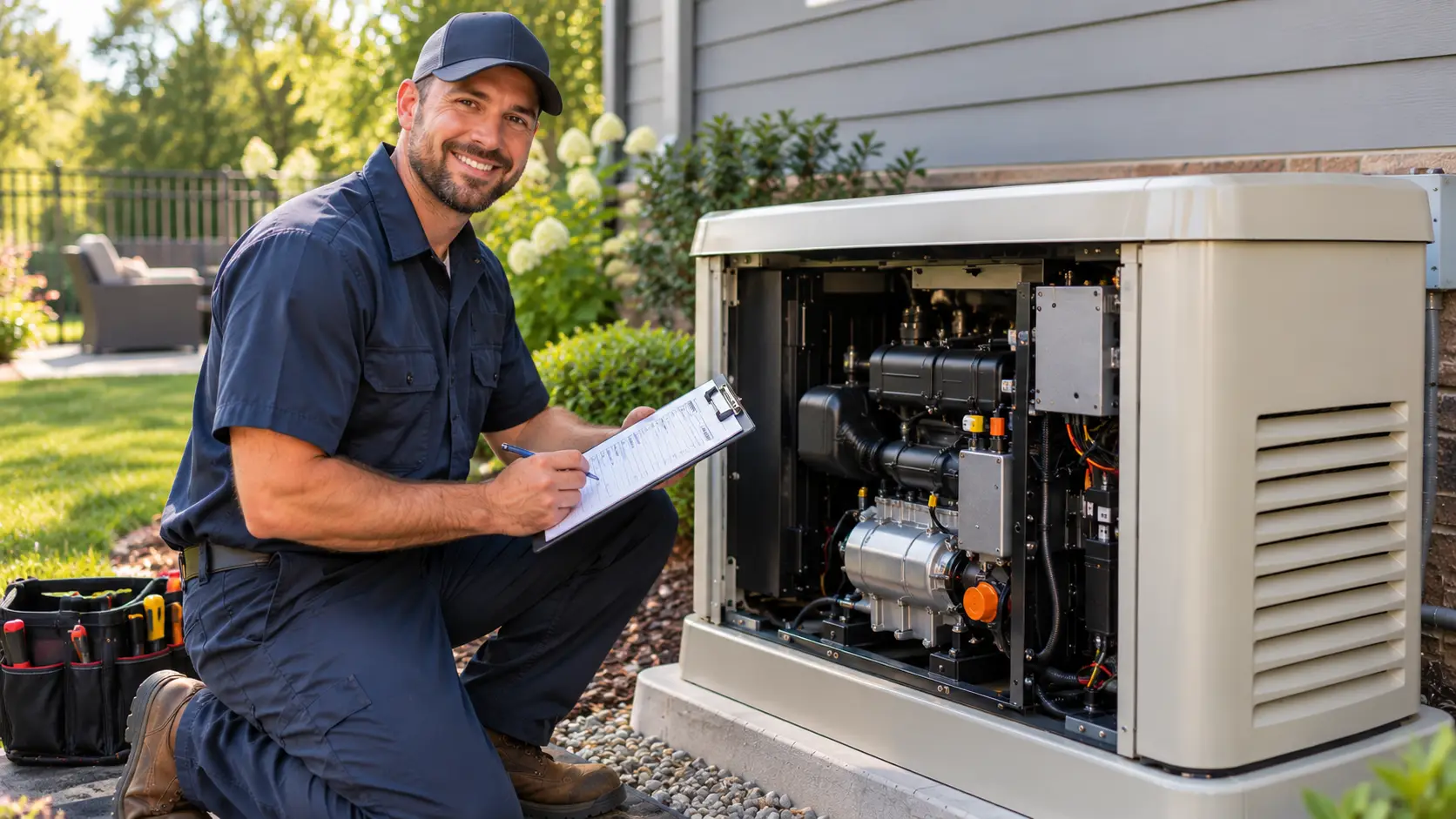
The tool bag is the single piece of gear that decides whether a service call runs smoothly or stops cold. Walking back to the truck for a missing nut driver, digging through a catch-all tote for a multimeter, or showing up at a customer's mechanical room with a sagging bag missing pockets all add minutes that should not exist. The right bag holds the right tools in the right places, survives the abuse of a daily route, and matches the way a particular tech actually works. The sections below walk through the selection framework, the five bag formats every field service tech should know, the recommended pick within each format for 2026, and the upkeep rules that keep a $200 bag from turning into a $20 bag in six months.
How to Pick the Right Tool Bag
A working tech does not need every brand of bag. The right bag is the one that matches the daily route. Six factors decide the choice:
Tool count. A residential service tech carrying 30 to 50 hand tools is in a different bag category than an industrial tech hauling 80+ tools plus meters, manifold gauges, and a tablet. Count your daily kit and add 20% headroom for growth.
Carry distance. If a tech walks 30 yards from truck to door, a heavy open-top tote works. If a tech climbs three flights of stairs at a commercial site, the same bag becomes a back-injury risk. Long-carry routes need a backpack or a rolling case.
Organization style. Some techs want a single big compartment they can paw through. Most techs want 30+ dedicated pockets so every tool has a home. The more pockets, the faster the muscle memory builds.
Weather exposure. Rooftop HVAC techs, outdoor utility techs, and pool service techs need waterproof or water-resistant construction with a sealed plastic base. An indoor-only handyman can skip the waterproofing premium.
Ergonomics. A loaded HVAC tool bag can hit 30 to 50 pounds. Shoulder straps need to be padded and wide; backpack straps need to be sternum-strapped for distance carries. Cheap straps are the fastest path to chronic shoulder pain.
System integration. If the business is already running a Milwaukee PACKOUT or DEWALT TOUGHSYSTEM modular setup on the truck, the field bag should snap into that system. Mixing systems creates wasted truck-side storage. The two largest modular ecosystems on the residential side are detailed in the SlashGear PACKOUT vs Veto Pro Pac comparison for techs deciding which ecosystem to commit to.
Best Modular System: Milwaukee PACKOUT Backpack
The Milwaukee PACKOUT system has become the dominant modular tool storage standard for residential and commercial field service. The PACKOUT Backpack (model 48-22-8302) packs 28 pockets and a structured panel that holds shape when fully loaded, with the major upside that it snaps onto the rest of the PACKOUT lineup: rolling tool boxes, organizers, coolers, and tool bags. The structured backpack retails around $130 to $200 depending on configuration. The right pick for any tech whose business is already on the PACKOUT system, or who wants room to grow into one. Skip it if you do not plan to buy other PACKOUT modules, because the price premium only pays back across the system.
Best Cross-Trade Backpack: Klein Tradesman Pro Tech Backpack
The Klein Tradesman Pro XL Tech Backpack (model 62805BPTECH) is the cross-trade backpack the most working electricians, HVAC techs, and plumbers will reach for first. The 1680-denier ballistic weave body resists tearing, the molded plastic base sets safely on wet ground, and the 28 dedicated pockets give every tool a home without overcomplicating the layout. Sternum strap and padded shoulder pads handle the daily 30-pound load. Retails around $130 to $160. The right pick for a tech who walks long distances at the job site (commercial sites, hospital corridors, multi-story residential) and who is not committed to a modular truck system.
Best Open-Top Tote: Veto Pro Pac OT-XL
The Veto Pro Pac OT-XL is the premium open-top tote that most senior HVAC and electrical techs will eventually upgrade to. The center-divider design holds longer tools (manifold gauges, levels, hammers) along the spine while keeping hand tools in tiered pockets along each side. The 1800-denier nylon body and waterproof base outlast the cheap competitors by years. Retails $230 to $300. Veto also makes the Tech Pac backpack ($280) for techs who want the same Veto build quality in a backpack format. Worth it for a tech doing service-call-heavy routes where one open bag at the worksite is faster than rotating tools out of a backpack. HVAC techs comparing Veto against Klein and Milwaukee specifically should read the deeper HVAC tool bag comparison for the vertical-specific pick.
Best Rolling Case: DEWALT TOUGHSYSTEM 2.0
The DEWALT TOUGHSYSTEM 2.0 rolling tool box system handles the techs whose daily kit pushes past 50 pounds or who are running 80+ hand tools plus power tools plus diagnostic equipment. The auto-connect side latches stack three or four modules into a single rolling tower, which moves the kit from the truck to the work area without the back-injury exposure. The IP65 dust and water rating handles outdoor sites. Starts around $130 per module, with a typical pro stack running $400 to $600. The right pick for industrial techs, equipment-heavy installers, and anyone whose daily load no longer fits in a shoulder bag without compromising organization.
Best Budget Pick: CLC Custom Leathercraft 1539
The CLC Custom Leathercraft 1539 30-pocket multi-compartment tool bag is the budget-friendly pick that does 80% of what a Veto or Klein does for one-third the price. Heavy-duty fabric with reinforced stitching, plenty of pocket count for a typical residential service tech, and a shoulder strap that works well enough for short carries. Retails around $40 to $60. The right pick for an apprentice building a first kit, a small business adding a third truck on a budget, or any tech who wants a second bag for a specialty kit (refrigerant tools, plumbing fittings, electrical low-voltage).
Maintenance and Resupply
A good tool bag pays back its price over five to ten years if it is treated well, and over six months if it is not. Three rules keep the bag healthy. First, never store wet tools in the bag, because water trapped in pockets rusts steel, mildews fabric, and corrodes leather. Wipe tools dry before they go back in. Second, empty and inventory the bag every Friday afternoon or weekend morning. The Friday empty catches missing tools while the customer record is still fresh, replaces broken or worn items before Monday, and reorganizes the pocket layout if the kit has drifted. Third, treat the bag the same way you treat the truck: apply waterproofing every six months for leather or canvas, brush dirt off fabric weekly, and replace worn shoulder straps the moment they start to stretch instead of waiting for them to fail at the worst possible moment.
Companion reads on the surrounding gear: the HVAC service technician tool list for what should actually go in the bag, the best HVAC tool bags roundup for HVAC-vertical-specific picks (Veto, Milwaukee, Klein, Husky compared head-to-head), and the best rugged laptops for field service guide for the in-cab tech stack that pairs with the field-side kit.
Smart Service for Field Service
If you are running a field service business and want a software stack that handles scheduling, dispatch, customer history, mobile invoicing, and recurring service contracts, Smart Service integrates with QuickBooks and keeps your techs in the field synced with the office — through the Cloud mobile app, or iFleet if you run Desktop. Try a free demo to see how it fits!